

Protecting Against Online Sexual Abuse and Exploitation of Children (OSAEC)

While we reap the numerous benefits of the internet, it remains very dangerous to millions of children globally. Children continue to be extremely vulnerable and susceptible to Online Sexual Abuse and Exploitation of Children (OSAEC).
OSAEC can encompass any sexually exploitative and abusive behavior by a third party against a minor which occurs or are facilitated online and through the use of digital technologies, including online publication or transmission of OSAEC visual depictions, child pornography, online grooming, live-streaming of sexual abuse, child sexual exploitation or abuse material, online sexual coercion and extortion, online sex trafficking, and image-based sexual abuse (ECPAT International, n.d.).
Unfortunately, those who have been victimized or have experienced OSAEC suffer from irreversible psychological trauma and insecurity that they will carry for the rest of their lives.
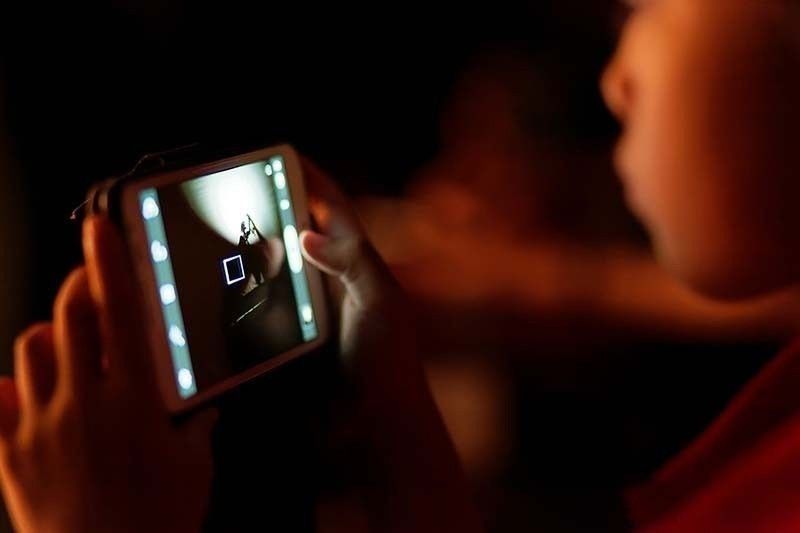
Where and why is this happening?
OSAEC may happen anywhere on the internet, and more often than not, perpetrators are familiar faces for the victims, including relatives, who sell the children for money. With the accessibility of the internet and its absence in the educational curriculum, online abuse and digital safety of children are at risk. In fact, according to the International Justice Mission, Philippines remains a global hotspot for OSAEC with findings from UNICEF showing that OSAEC is usually a family-based crime (2022). They found that of the 217 victims where the relationship to the trafficker was known, the abuse was perpetrated by biological parents (41%) and other relatives (42%). Furthermore, of the survivors rescued together, 40% were siblings, and another 13% shared some other familial relationship (United Nations Children’s Fund, 2022).
According to various studies, OSAEC is usually due to various reasons from financial reasons (need of income), lack of capability by the government to regulate the online space, difficulty in enforcement of OSAEC crimes, lack of digital maturity of minors who population the digital space, insufficient support infrastructure of the government for OSAEC victims, and insufficient social and economic assistance of the government to OSAEC victims and their families (United Nations Children’s Fund, 2022).
How many children are affected?
According to UNICEF (2016), 80% (8 out of 10) of children in the Philippines are vulnerable to being victims of online sexual abuse or bullying while 50% of children are victims of violence and cyberbullying on the internet. In 2020, 1 in 5 children are victims of OSAEC while 8 out of 10 are at risk of online sexual abuse (United Nations Children’s Fund, 2022). This means that at least 2 million Filipino children have become victims of OSAEC with at least 8 million being at risk to it.
Day of Roses
Day of Roses is an annual event that celebrates all women and children by offering the Fraternity Flower, the pink rose, to all members of our beloved UP Community. This Day of Roses aims to raise awareness of the Anti-Online Sexual Abuse and Exploitation of Children (OSAEC) campaign, which reaffirms the Fraternity’s commitment to bridging by amplifying the call for a united stance and intensifying administrative efforts to address and combat OSAEC and all other forms of abuses.
Paraluman
Paraluman outreach program hopes to provide the necessities to support the young girls of CRIBS Foundation. In support of their New Beginnings program that provides safe shelter to sexually abused young girls for their rehabilitation and care, the fraternity will also be hosting a children’s party for the kids alongside the in-kind and monetary donations for the continuous operation of the sanctuary.

What can we do to help?

Advocate
Albeit rampant, awareness of OSAEC is still lacking among Filipinos.

Report
Contact the pertinent hotlines below for OSAEC cases.

Share and Donate
Support foundations that fight OSAEC such as SaferKids PH and CRIBS Foundation Inc.

Educate: Teach children how to be safe online through these reminders
- Never post or trade personal pictures.
- Never reveal personal information, such as an address, phone number, or school name or location.
- Use only a pen name and don’t share passwords.
- Never agree to meet people from the internet without parental approval.
- Never respond to a threatening email, message, or post, and always tell a parent about any conversation that was hurtful.
- As much as possible, try to be present and guide children while they are online.